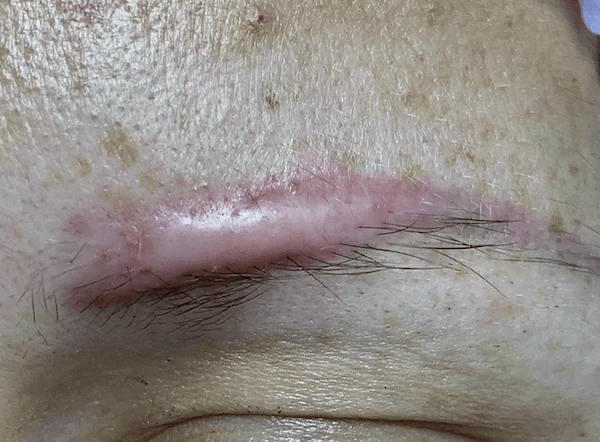
Common Misconceptions About Chemical Removers
In the world of permanent makeup, the term “chemical removers” sounds beautiful, but what does it actually mean? Chemical removers are not new to the beauty market, but the industry’s attitude towards them is still mysterious. Many permanent makeup artists consider them something magical, able to solve all problems with the removal of failed permanent makeup or tattoos. But it is worth debunking this myth: there is nothing magical about chemical removers. They are aggressive chemical liquids that can be acids, alkalis, or saline solutions that intensify the trauma inflicted by the specialist’s needle.
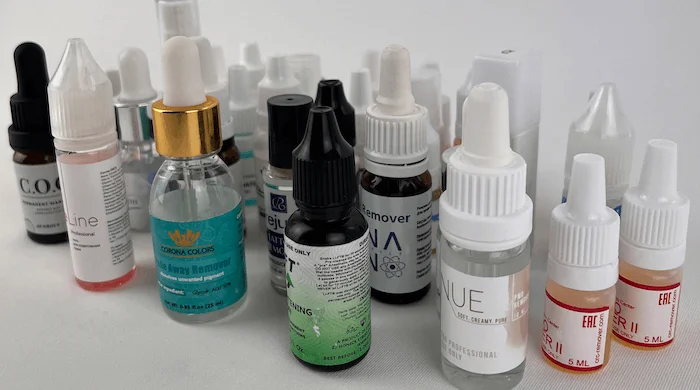
Mechanical and Chemical Traumatization When Using Chemical Removers
In the process of chemical removal of permanent makeup using chemical removers, we encounter a combination of mechanical and chemical traumatization of tissues. Mechanical traumatization is carried out with the use of a needle – similar to the technique of applying the permanent makeup or tattoo itself. Tattoo machines or permanent makeup machines are used for this purpose, ensuring that the skin is traumatized to allow the chemical remover to penetrate the tissue.
Effects of Chemical Removers On The Skin
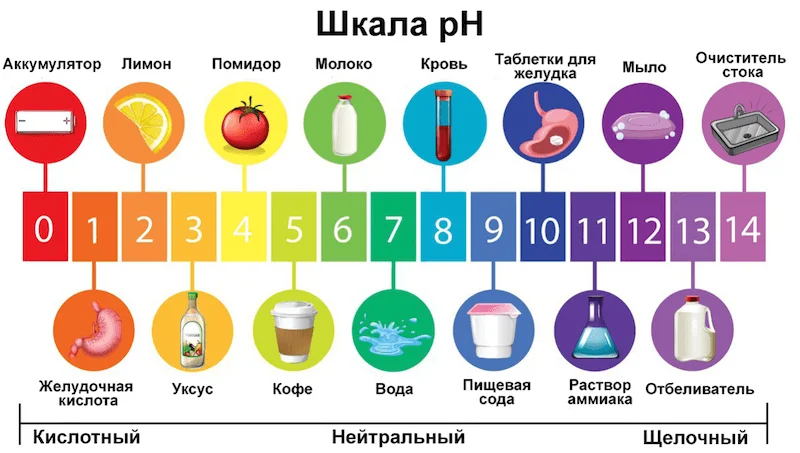
Chemical trauma, in turn, is directly related to the nature of the chemical remover used, whether acidic or alkaline and it’s level of aggressiveness. Here, the variability of the effect is extensive: from minimal amplification, characteristic, for example, for saline removers, to the maximum aggressive action, which has acidic chemical removers with pH 1-2 or alkaline chemical removers with pH 13-14.
Mechanism of PMU Removal From The Action Of Chemical Removers
Such complex damage to the skin leads to its partial destruction and rejection of pigment particles along with dead tissue. An important role in this process is played by inflammation accompanying the injury. It attracts immune system cells to the site of injury, which contributes to additional cleaning of the skin from pigment particles in the process of inflammatory reaction.
Risks of Using Chemical Removers
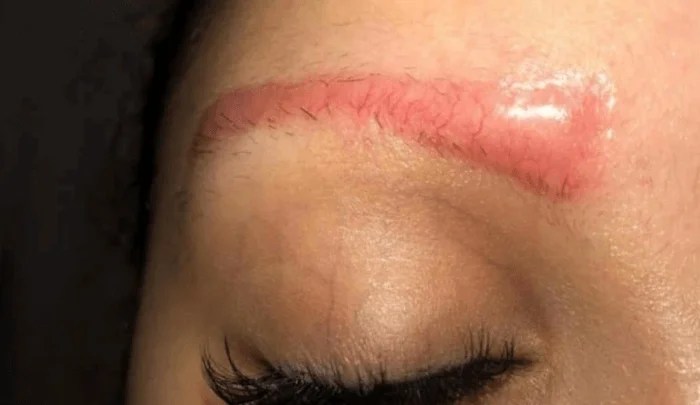
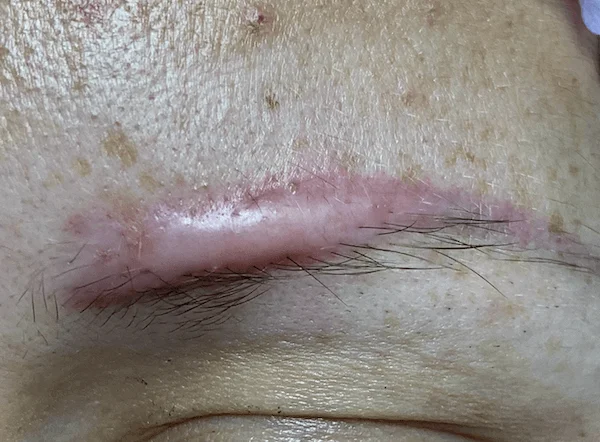
More aggressive exposure of the skin causes more inflammation, and the tattoo or permanent makeup is removed at the expense of trauma and dying skin. However, technicians often don’t realize they are playing with fire by using chemical removers without understanding their aggressiveness. They are balancing the line between removing PMU and preserving healthy skin, risking total skin destruction and scarring.
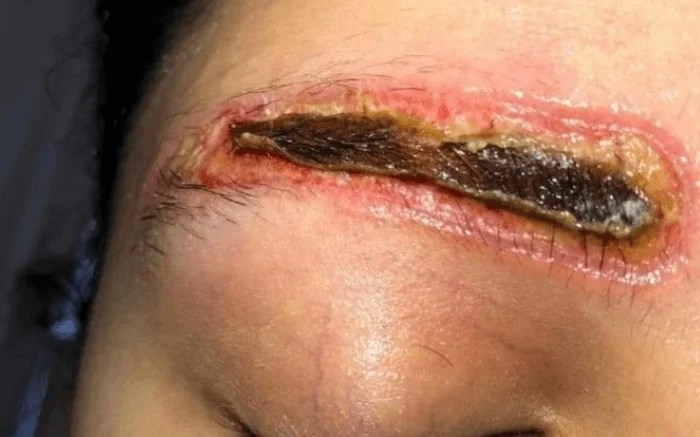
The Importance of Understanding The Composition And Aggressiveness of Chemical Removers For PMU
Even within a group, such as acid chemical removers, they vary widely in aggressiveness, acid composition and concentration, and pH level. Many specialists do not even realize what pH level they are working with, which leads to mistakes and serious complications. The situation with alkaline chemical removers is even worse, as they are more difficult to control and can have a pH level of up to 13-14, which is comparable to a drain cleaner. Alkaline chemical removers destroy tissue by causing melting necrosis (tissue necrosis), making it difficult to control the depth and intensity of treatment.
Conclusion: How To Properly Use Chemical Removers For Tattoo Removal
In conclusion, chemical removers are not magic liquids but merely tools to increase trauma to the skin in hopes of removing pigment along with dead tissue and clearing the skin of artificial pigment through an inflammatory immune system response.
I urge all specialists to treat chemical removers with the utmost care, to study their mechanisms of action, and to know their aggressiveness, formulations, concentrations, and pH levels in order to apply them in their practice consciously.



 Laser Blog