ONLINE COURSE ON PMU AND TATTOO REMOVAL
Clear healthy skin without blood, burns and scars. From zero to expert in 3 months
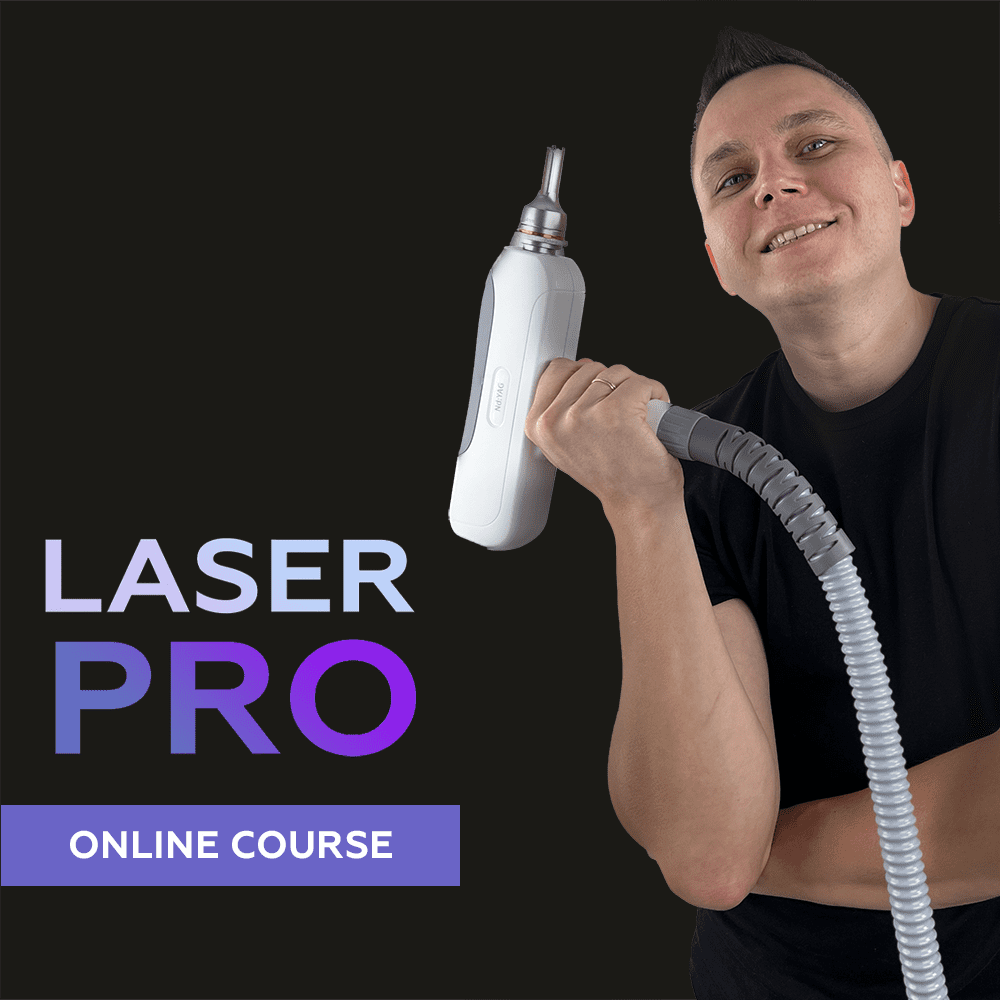
Let’s start with WHAT I can teach you!
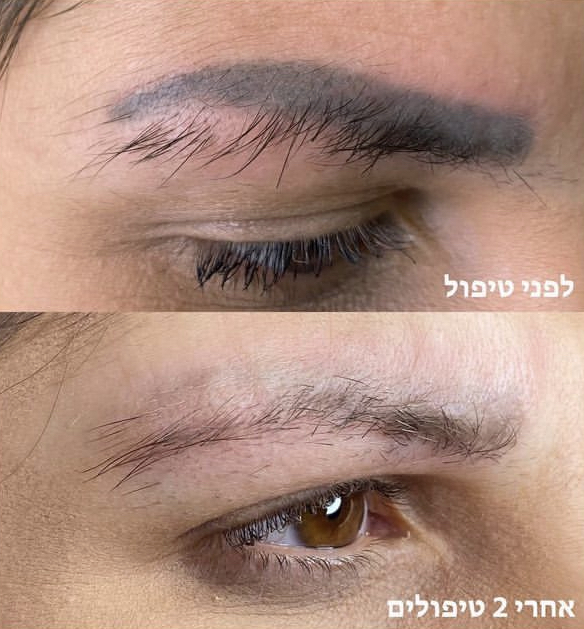
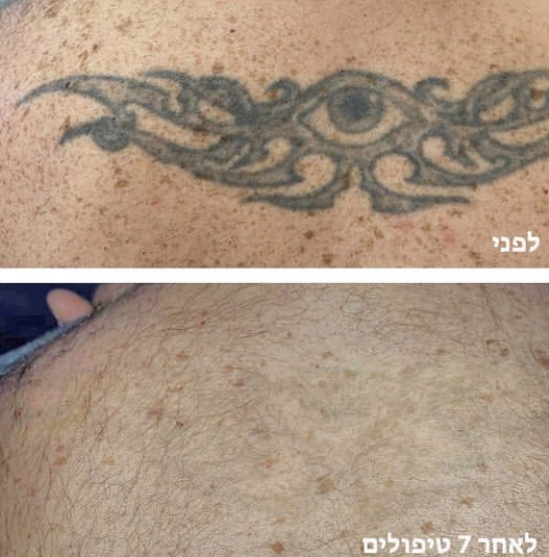
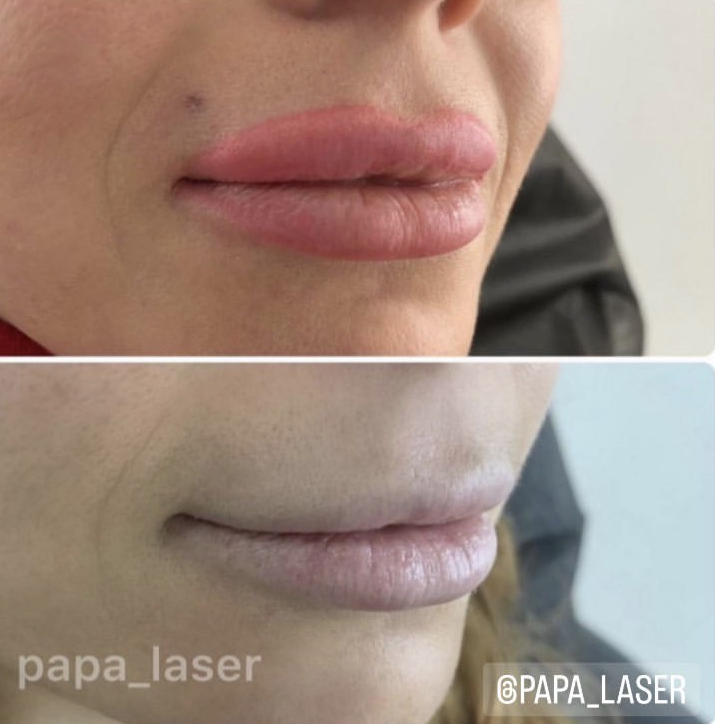
This is laser permanent makeup and tattoo removal without trauma! See how my graduates work. That’s how I’ll teach you how to work too!
WHAT IS INCLUDED IN PROGRAM?
1 Module. Skin structure
Introduction to the course
1.1 Skin as an organ. Facts about the skin. Functions of the skin
1.2 The structure and functions of the epidermis
1.3 Physiology of epidermis, keratinization and renewal process
1.4 Melanocytes, melanin, skin types according to Fitzpatrick
1.5 Anatomical structure of the dermis
1.6 The histological structure and physiology of the dermis
1.7 The biomechanics of the tattooing process
1.8 PMU and tattoo procedures in terms of skin physiology. The Fate of pigment in the skin
1.9 Color perception of tattoo pigment in the skin
1.10 Cover up and mixing of inks
1.11 Various skin types and their structural features
1.12 Injury and regeneration of the skin after permanent makeup and tattoo procedures
2 Module. Laser Removal
2.1 Introductory lecture
2.2 Features of 1064 nm and 532 nm wavelengths
2.3 Selective Photothermolysis Theory
2.4 Passive optical shutter, monopulse and pulse packets
2.5 Energy density. Focusing. Spot diameters
2.6 Calculation of energy density for single-crystal or dual-crystal compact lasers
2.7 Work tactic for tattoo and PMU laser removal
2.8 1064nm. Tactics for changing the energy density
2.9 532nm. Tactics for changing the energy density
2.10 Tactics for changing timelines between procedures
2.11 Predicting the effects of tattoo removal. Laser-dependent factors
2.12 Predicting the effects of tattoo removal. Pigment-dependent factors
2.13 Predicting the effects of tattoo removal. Organism-dependent factors
2.14 Kirby-Desai Prediction System
2.15 Absolute contraindications for laser tattoo and PMU
2.16 Relative contraindications for laser tattoo and permanent makeup removal
2.17 Initial client consultation
2.18 Side effects of laser tattoo or permanent makeup removal procedure
2.19 Complications of laser tattoo or permanent makeup removal procedures
2.20 Preventing complications of laser tattoo or permanent makeup removal procedures
2.21 Skin cooling as the main tool to prevent complications during laser removal of tattoos or permanent makeup
2.22 Care for complications after laser tattoo or permanent makeup removal procedure
2.23 Risk analysis algorithm for laser tattoo and permanent makeup removal procedures
2.24 Features of eyebrows permanent makeup laser removal
2.25 Features of lip permanent makeup laser removal
2.26 Features of eyelid permanent makeup laser removal
2.27 Features of laser tattoo removal
2.28 Carbon laser peel
Practical video scripts
28 videos about practical skill development
3 Module. Pigmentology
3.1 Inroductory lecture
3.2 Basic concepts and terminology
3.3 Inorganic pigments
3.4 Titanium Dioxide
3.5 Carbon black
3.6 Iron oxides
3.7 Organic pigments
3.8 Features of organic pigments in terms of laser removal
3.9 Sizes and shapes of pigment particles
3.10 Additional components of inks for PMU and tattoo
3.11 Natural pigment degradation
3.12 Predicting the behavior of pigments
3.13 PMU and tattoo ink regulations
4 Module. Chemical Removers
4.1 Basic Terms
4.2 Chemical types of removers. Type of chemical agression to biological tissue
4.3 pH scale of removers
4.4 pH scale “How to use universal indicators”
4.5 Comparison of acid removers
4.6 Comparison of saline removers
4.7 Comparison of alkali removers
4.8 Contraindications for chemical removers method
4.9 Tactics of choosing methods of laser / remover
4.10 Method of multifactorial choosing of tactics
4.11 Booster Advanced physiology of regeneration and formations of scars
5 Module. Medical Issues
5.1 Introductory Lecture
5.2 Pregnancy and breastfeeding
5.3 Allergic reactions to permanent makeup and tattoo inks
5.4 Types of allergic reactions to tattoos and permanent makeup. Treatment methods
5.5 Psoriasis and Tattoos
5.6 Vitiligo
5.7 Moles, nevuses and other skin formations
5.8 Herpes and other viral skin lesions
5.9 Scars. Types and working tactics
5.10 Type one and type two diabetes
5.11 Oncology
5.12 HIV and viral hepatitis
5.13 Botox and hyaluronic acid fillers
5.14 Taking medications
6 Module. Laser equipment and technical maintenance
6.1 Introductory lecture
6.2 Classification of Lasers by Wavelengths, Device Type, and Pulse Duration
6.3 Myths about compact lasers
6.4 Neodymium compact lasers for tattoo removal
6.5 Tips for choosing laser equipment
6.6 What else is required for equipping a laser removal studio?
6.7 Laser technical maintenance
6.8 Calibration and searching for a monopulse on a compact laser
6.9 Calibrating a 532 nanometer nozzle on a compact laser
6.10 Stationary lasers for tattoo removal. Types, segments and difference
If you’ve made the decision to ENROLL on the LASERPRO online course, you can pay $500 to join here!
- ALL course materials
- Course updates
- Convenient online platform
- Individual support from Dr. Mikryukov
- Help with the choice of a laser
- Electronic certificate
14 DAYS MONEY BACK GUARANTEE!

I give you a personal guarantee that within this period, if you don’t like the course, I will give you a full refund!
If you still have questions or are in doubt, message me on Instagram and ask anything you want!
 Laser Blog